The Future of Fencing: PVC vs. Wood Cost Analysis
The fence around your property is more than just a boundary; it’s an investment in privacy, security, and curb appeal. When deciding on the material, the classic standoff is between the timeless charm of wood and the modern resilience of PVC (Vinyl).
While many homeowners focus only on the immediate price tag, a true financial assessment demands a look at the total cost of ownership over the fence’s lifespan. Spoiler alert: the cheapest fence today might be the most expensive one tomorrow. Let’s break down the dollars and cents of wood versus PVC.
Initial Cost: The Upfront Sticker Shock
In almost every market, wood fencing (specifically pressure-treated pine or basic cedar) will have a lower initial material cost per linear foot than high-quality PVC fencing.
- Wood: Requires less manufacturing and simpler installation tools, keeping the upfront material and labor costs relatively low.
- PVC/Vinyl: The material is extruded and engineered for superior durability, which translates to a higher initial material price. However, our modular, pre-assembled systems can often make the installation process faster, partially mitigating the labor cost difference.
Tabla 1: Initial Cost Estimate Comparison
| Cost Factor | Wood (Cedar/Treated) | PVC (Vinyl) |
| Material Cost (per ft.) | Low to Moderate | Moderate to High |
| Installation Time | Moderate | Fast (especially with pre-fab systems) |
| First-Year Cost | Lower | Higher |
Long-Term Cost: Where PVC Dominates
The initial installation cost is just the first page of your ledger. The long-term costs—maintenance and replacement—reveal the genuine value of a PVC fence.
1. Maintenance and Repair Costs
Wood is organic, making it susceptible to rot, pest damage (termites), warping, cracking, and fading. This requires a predictable, recurring cycle of maintenance:
- Wood Maintenance: Every 2-5 years, a wood fence requires cleaning, sanding, staining, painting, or sealing. This is a significant expense, whether you pay for labor or spend your own time (which has a cost!). Furthermore, individual boards will inevitably rot and need replacement.
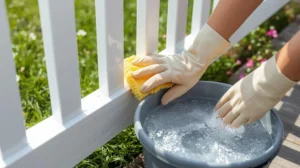
- PVC Maintenance: PVC is non-porous and impervious to rot and insects. It is also engineered to be UV-resistant to prevent discoloration. Maintenance typically involves an occasional wash with soap and water—a minimal time and cost investment.
Tabla 2: Annual Maintenance Cost Comparison (Based on 150 ft. Fence)
| Action | Wood (Est. Annual Cost) | PVC (Est. Annual Cost) |
| Cleaning/Washing | $50 (materials) | $5 (water/soap) |
| Staining/Sealing/Painting | $300 – $600 (labor/materials, applied every 3-5 years) | $0 |
| Minor Repairs/Board Replacements | $50 – $150 | $0 (Typically covered by a Lifetime Warranty) |
| Estimated 10-Year Maintenance Cost | $4,000 – $7,500 | ~$50 – $100 |
Note: These estimates do not include the value of your time.
2. Replacement and Lifespan Costs
The lifespan of your fence is the ultimate determinant of its overall value.
- Treated Wood: Average lifespan is 10-15 years, with higher-end cedar potentially lasting 15-20 years with diligent maintenance. After this period, the entire structure must be torn down and replaced (a second full installation cost).
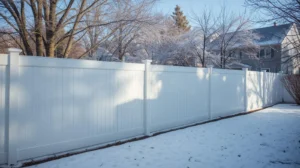
- PVC/Vinyl: Designed to last. Most PVC products, including those from All Season Fencing, come with a Manufacturer’s Limited Lifetime Warranty against material defects like rotting, cracking, or discolouration. This means a single, upfront investment is often the only one you’ll ever need to make.
Over a 30-Year Period:
- Wood Fence: You will likely purchase and install three separate wood fences, plus spend thousands on maintenance.
- PVC Fence: You will purchase and install one PVC fence, spending almost nothing on maintenance.
Fencing Material Selection Checklist
Use this checklist to ensure you’ve considered all variables before making a final decision:
| Consideration | Wood Fencing | PVC Fencing |
| Initial Cost | ✔️ Low | ❌ High |
| Long-Term Cost (Maintenance) | ❌ High | ✔️ Low |
| Lifespan (Durability) | ❌ Short (10-20 years) | ✔️ Long (30+ years/Lifetime) |
| Maintenance Effort | ❌ High (Staining, sealing, repairing) | ✔️ Low (Occasional wash) |
| Resistance to Moisture/Rot | ❌ Low (Requires treatment) | ✔️ High |
| Pest Resistance | ❌ Low (Susceptible to termites) | ✔️ High |
| Warranty Coverage | ❌ Limited or None | ✔️ Typically Limited Lifetime |
| Environmental Impact | ❌ Requires cutting down trees | ✔️ Recyclable, No tree cutting required |
| Resale Value Appeal | ✔️ Classic look, but maintenance liability | ✔️ Maintenance-free appeal is a strong selling point |
The Future is Maintenance-Free
The cost analysis is clear: while a wood fence saves you money today, a PVC fence is the superior long-term investment.
By choosing PVC, you are not just buying a fence; you are buying freedom from maintenance and the peace of mind that comes with a robust, warrantied product that will likely outlast your time in the home.
Ready to invest in the last fence you’ll ever need? Contact All Season Fencing for a free quote on our Canadian-made PVC products today.